Roof Inspection for Rain and Ice Effects
Rain and ice don’t just make a roof look bad. They change how water behaves, where it travels, and how long it stays hidden before it shows up indoors. When a roof is exposed to repeated cycles of wetting and freezing, the damage often starts at the edges, penetrations, and transitions, then works its way inward. That is exactly why a roof inspection after rain and ice events matters, even when the leak seems minor at first.
From what I have seen on job sites, the biggest mistake is treating rain and ice like separate problems. In reality, they are usually part of the same failure chain: water gets in, it migrates along the roof deck or underlayment layers, then freeze-thaw cycles expand small openings. The result is often roof leak repair needs that are bigger than the original “spot” everyone points to.
A solid inspection does two things well. First, it identifies where water entered and where it traveled. Second, it helps decide whether you can realistically repair the roof or whether roof replacement after leak is the safer, longer-term call.
Why rain and ice create such stubborn roof problems
Rain saturates roofing systems differently than people expect. A roof is designed to shed water, but it is also designed with a drainage mindset. Water that gets past the surface is supposed to move safely away before it reaches the sheathing or the interior.
Ice complicates that drainage plan. When ice forms, it can interrupt normal runoff. It can also hold water against roof materials long enough for that moisture to migrate further than it would during a normal rain event. In practice, this often means damage shows up around features like edges, valleys, vents, and flashing areas. Those are the places where the roof must transition between materials and planes, and where movement and sealant stress can happen.
The most valuable part of a roof inspection is understanding what kind of “damage pathway” you are dealing with. A quick visual check might catch missing shingles, a lifted flashing corner, or a damaged seal. It often misses the earlier stages, where the roofing surface still looks mostly intact but the underlayers have already been compromised.
Professional roofing contractors typically handle roof repair, roof replacement, roof inspections, and emergency storm-damage work, and most major manufacturers also emphasize that a qualified contractor should decide whether repair or replacement is best. That professional judgment is especially important after rain and ice, because the roof’s interior symptoms might not align with the exterior damage you can easily see.
The repair-versus-replacement question after water intrusion
Homeowners and business owners usually want a simple answer: fix it or replace it. The reality is more nuanced, but there is a practical rule of thumb that keeps showing up. Small, isolated problems can often be repaired. Older roofs, widespread damage, recurring leaks, or multiple trouble spots may justify roof replacement instead.
That rule of thumb matters because repair and replacement are different bets. Roof repair can be the right move when the damage is limited and you can confidently return the system to its intended water-shedding and sealing behavior. Roof replacement, on the other hand, becomes the better option when you cannot isolate the problem anymore, or when age and repeated intrusion suggest the system is already near the end of its reliable service life.
There is also a safety and performance angle. Insurance claims and emergency roof repair situations can push decisions fast, but those decisions still should be based on a real inspection. Properly designed, installed, and maintained roofs can reduce damage from hazards like wind, rain, hail, ice, snow, and fire. After an event, post-event evaluation helps identify cases where repair is preferable to full replacement. That is not just theory. It is the logic used in the field when roofs have visible localized issues versus when they show signs of broader system failure.
What a roof inspection should actually look for
A real roof inspection is not just a trip to the roof with a camera. It is a structured effort to connect exterior conditions to interior evidence. Water intrusion problems are often a “path,” not a single point.
During an inspection focused on rain and ice effects, I look for three categories of clues:
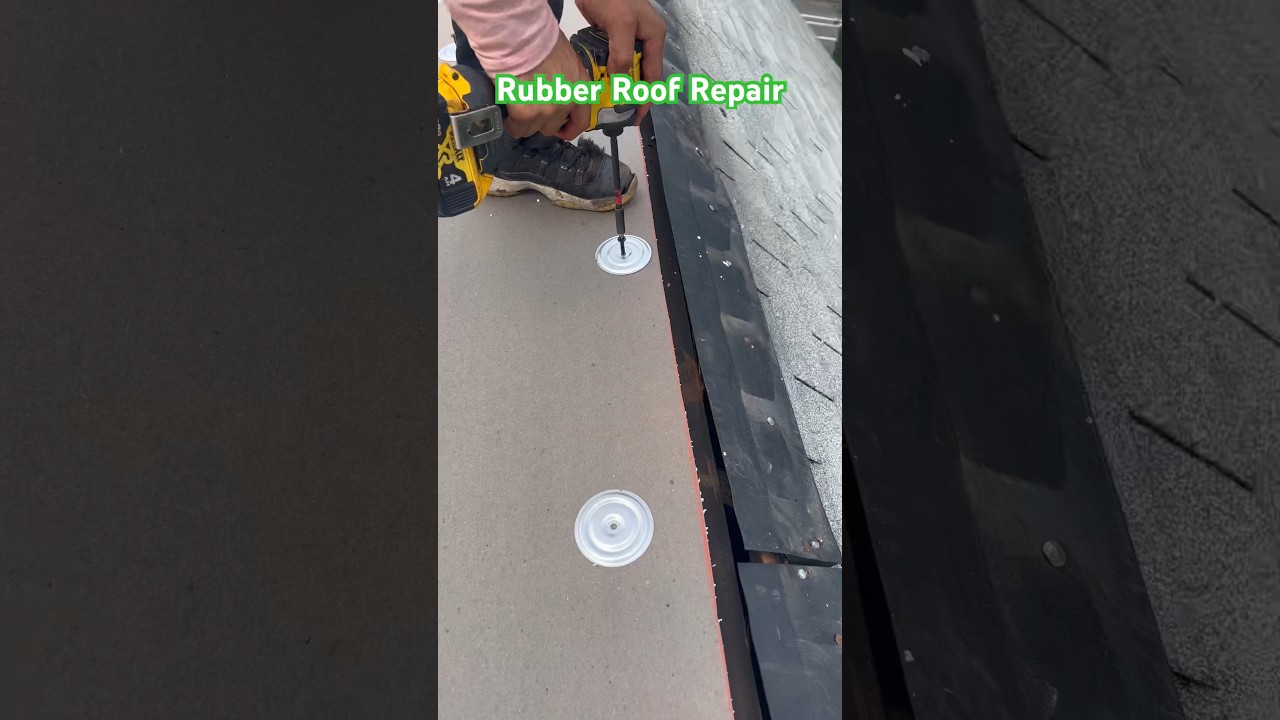
- The exterior evidence of failure, such as damaged shingles or disturbed flashing.
- The patterns that suggest water movement, such as staining that does not match the most obvious exterior damage location.
- The condition of the system components that control water and air movement, including underlayment layers and flashing interfaces.
For residential roof installation and repair work, asphalt shingle roofing is common. Research cited by Owens Corning indicates asphalt shingles accounted for about 70% of roofing material volume used in single- and multi-family new construction, repair, and replacement projects. Even when the surface appears intact, the system beneath the shingles is what ultimately protects the home during rain and ice events.
On the residential side, asphalt shingle roofs are often described in broad terms as lasting around 20 to 30 years. The exact lifespan depends on installation quality, exposure, ventilation, and maintenance, but the practical takeaway for inspection is straightforward: age changes what “repair” means. When a roof is nearing the end of its typical service window, localized fixes can become less reliable, especially after repeated water intrusion.
A quick list of warning signs that deserve an inspection
Sometimes you do not need a lab report to know something is wrong. These signs tend to correlate with water intrusion pathways or seal failures that rain and ice can worsen:
- Stains, bubbling paint, or damp drywall near roof lines or ceilings
- Visible lift, cracking, or missing sections around flashing and penetrations
- Damp insulation in attic areas after cold snaps and rain
- Gutters or roof edges showing debris that repeatedly holds moisture
- Recurrent leaks at the same area after repairs or storms
If you recognize any of these, the inspection should not stop at “we found a hole.” It should explain why that hole exists in the system, whether other weak spots are likely, and how the roof will behave during the next freeze-thaw cycle.
Residential roof repair after rain and ice
Roof leak repair after rain and ice is often less about one dramatic failure and more about multiple small compromises that add up. With asphalt shingle roofing, the most common trouble spots tend to be interfaces: where shingles meet flashing, where vents and pipes penetrate the roof, and where roof planes intersect.
When water enters at one interface, it can travel laterally before it makes a final exit point indoors. That is why “repair the obvious spot” is risky. If the underlying entry point and the migration pathway are not addressed, you can end up doing emergency roof repair again after the next storm.
A good residential inspection will also consider the roof’s overall condition. Owens Corning’s guidance frames it as small isolated issues versus broader trouble spots, especially when leaks recur. If a roof already shows multiple compromised areas, or if the roof is older enough that repeated repairs become a pattern, roof replacement after leak often ends up being the more stable solution.
Commercial roof inspection for ice and rain: the details matter
Commercial roofs handle weather exposure differently than many residential roofs, and low-slope systems raise their own evaluation challenges. After rain and ice, the inspection needs to account for how the membrane or coating performs at seam lines, edges, and penetrations.
IBHS guidance on roof evaluation after hazardous events discusses that fire, hail, wind, and structural distortion can change whether repair is feasible. While that guidance is broader than ice and rain alone, the principle is the same: once the roof system’s geometry or supporting structure is altered, patching the surface is not always the right fix.
Commercial roof repair and commercial roof replacement decisions also depend on how the roof was installed and maintained. If the roof is a flat roof installation and repair system or another low-slope configuration, ice and rain can create conditions where water does not drain as quickly. The inspection should focus on whether the system is still controlling water movement at seams, terminations, and transitions.
Commercial materials and systems you might hear about in the field include TPO roofing installation and EPDM commercial roofing for many low-slope applications, modified bitumen roofing, commercial metal roofing, and PVC roofing. The inspection goals are consistent across systems, even if the specific failure signatures differ. You still need to identify entry points, confirm whether related components are intact, and assess whether the damage is limited or widespread.
Emergency roof repair: what to do first, and what to avoid
After a major rain or an ice event, the immediate priority is preventing additional interior damage. Emergency roof repair is often about containment and stabilizing the situation quickly. But even in emergency mode, you still want an inspection that documents what happened and where the system is failing.
The instinct many people have is to start with a visible patch. That can work when the entry point is obvious and the materials are in good condition around it. It gets risky when the roof has multiple weakened areas or when water has already migrated under layers.
What I recommend after an emergency is to treat the first repair as a bridge to a proper assessment. If the roof has recurring leakage, multiple trouble spots, or the roof is older, the repair may be incomplete as a long-term fix. In those cases, a roof replacement decision may be more responsible than repeated emergency patchwork.
When the inspector recommends roof replacement
Roof replacement is not automatically the answer, but it becomes more likely under certain conditions. The rule-of-thumb guidance is helpful here: small isolated problems can often be repaired, while older roofs, widespread damage, recurring leaks, or multiple trouble spots may justify replacement.
A roofing contractor typically explains the recommendation in terms of risk, not just cost. If the roof system has already been compromised in multiple places, repair can create a cycle where each new storm opens another weak seam or interface. At that point, roof replacement can be the option that stops the “find, fix, wait, and repeat” pattern.
Replacement decisions also tie back to age. Owens Corning’s general lifespan guidance for asphalt shingles, around 20 to 30 years, is useful context. You do not replace based only on years, but when age aligns with repeated water intrusion, it changes the evaluation.
What’s included in a typical roof replacement
A complete replacement is more than removing shingles and putting new shingles on the same deck. GAF describes roof replacement steps as removing old roofing materials, installing new underlayment and roofing materials, replacing flashings and ridge caps, and cleaning up the site. The exact scope depends on the roof type and condition, but the point is that full replacement restores components that often fail first during rain and ice events.
That matters because flashing, underlayment, and ridge components are part of the system’s water management. Ice and rain can stress these interfaces repeatedly, which is why roof replacement after leak is sometimes a “system reset,” not a cosmetic upgrade.
Roofing materials and how rain and ice can show up differently
Different roofing systems fail in different ways. In an inspection, I try to translate what I see on the roof into how water likely entered and traveled.
- Asphalt shingle roofing commonly shows failures at shingle edges, flashing interfaces, and penetrations. Once multiple areas are compromised or leaks recur, the roof may be better served by Asphalt Shingle Roof Replacement rather than repeated Roof Repair patches.
- Metal roof installation and repair, including Commercial Metal Roofing or residential metal applications, changes the inspection emphasis. Metal systems rely on reliable seam and termination detailing. Rain and ice can expose weaknesses if water gets under components that should remain sealed.
- Flat roof installation and repair systems, often including TPO roofing installation, EPDM commercial roofing, or PVC roofing in commercial contexts, require attention to seams, drains, and terminations. Ice and rain can magnify drainage issues and hold water against the membrane longer than a typical rain event.
- Modified bitumen roofing and certain membrane systems respond to thermal cycling and moisture exposure differently than shingles. The inspection focuses on how the surface and underlying layers are still performing as a barrier.
Even when materials differ, the inspection logic stays consistent: find the entry point, understand the water path, assess related components, and judge whether repair will restore dependable performance or whether aging roof replacement is the safer move.
Roof replacement cost: what to expect and what drives it
Roof Replacement Cost is one of the most common questions I hear after leaks, especially when rain and ice events create urgent interior damage. In general, cost varies based on roof size, materials, and project complexity.
GAF reported an average 2023 roof replacement cost of $14,959 for an asphalt shingle roof, with the important caveat that actual cost varies by those factors. That kind of figure is a useful reference point, but it should never replace a detailed scope. If an inspection uncovers additional repairs needed at flashing, underlayment, or structural components, the cost can shift significantly from an estimate that only considered the visible surface.
If you are deciding between roof repair and roof replacement, the cost conversation should include expected reliability. A cheaper patch that does not address the true entry point can end up costing more after the next rain or freeze-thaw cycle, particularly when roof leak repair becomes recurring.
Edge cases that change the decision fast
A few situations can swing the repair versus replacement call, even when the visible damage seems limited.
First, structural distortion changes everything. IBHS guidance notes that fire, hail, wind, and structural distortion can change whether repair is feasible. Ice and rain do not always cause distortion, but if an event included wind or other forces, distortion becomes part of the inspection equation. Patching over deformation can lead to recurring failures at seams and terminations.
Second, multiple trouble spots can defeat patch strategies. Owens Corning’s guidance points to multiple trouble spots and recurring leaks as signals that replacement may be the better path. In real inspections, you often start with one leak area and then uncover other weak areas once you look closely, especially around transitions and penetrations.
Third, roof age influences the judgment. Asphalt shingle roofing guidance often discusses a typical 20 to 30 year life. If a roof is within that range and rain and ice have already caused recurring problems, the trade-off between repair and aging roof replacement becomes harder to ignore.
How to reduce future rain and ice damage (without pretending you can stop weather)
Inspections and repairs help, but maintenance is what keeps a roof from repeating the same failure story. During inspections, I often see small issues develop into larger ones because they were missed during routine checks.
The most practical prevention steps usually tie back to keeping the roof’s drainage and sealing performance intact. That means watching roof edges and interfaces, addressing small problems quickly, and ensuring the system stays in good working condition as it ages.
If you manage a facility and are planning Commercial Roof Installation or Commercial Roof commercial modified bitumen roofing Repair work, schedule inspections around seasonal risk, not only after visible problems. Commercial roof performance often depends on disciplined attention to seams and terminations, and a small compromise can turn into a large leak after rain and freeze-thaw periods.
For homeowners planning Residential Roof Installation or monitoring an existing roof, the same principle applies. The earlier you catch lift, failing flashing, or a compromised interface, the more likely Roof Repair is to solve the problem with minimal disruption. Once you get to recurring leaks, multiple trouble spots, or an older roof showing broad wear, Roof Replacement After Leak becomes a more Commercial Roof Replacement realistic strategy.
Bringing it together: what a strong inspection delivers
A roof inspection for rain and ice effects should leave you with clarity, not just uncertainty. You want answers to three questions:
- Where is the water entering and why is it traveling the way it is?
- Is the damage isolated, or does it represent a broader system issue?
- Given roof age and the pattern of leaks, is Roof Repair likely to hold up or is Roof Replacement the safer recommendation?
Professional contractors are in a better position than anyone to weigh those factors. Manufacturers also encourage using a professional to decide whether repair or replacement is best. When the inspection is done correctly, the decision becomes less emotional and more grounded in the roof’s actual condition.
If you are facing an emergency roof repair situation, prioritize containment first, but do not skip the evaluation. Rain and ice damage often reveals its full scope over time, especially as freeze-thaw cycles keep stressing seals and materials. A careful inspection gives you a path forward that is more likely to prevent repeat leaks, protect interior spaces, and make the financial decision make sense over the long run.
If your roof is showing signs of recurring leaks, multiple trouble spots, or advancing age, take that as an invitation to inspect thoroughly rather than patch repeatedly. Sometimes the smartest move is Asphalt Shingle Roof Replacement, Metal Roof Replacement, Slate Roof Replacement, Tile Roof Replacement, Flat Roof Replacement, Cedar Shake Roof Replacement, or another system-specific solution. The key is that the recommendation should be based on what the roof is doing now, not just what it looked like right after the storm.